№ 01
Buy It Once: 10 Family Things Worth the Money
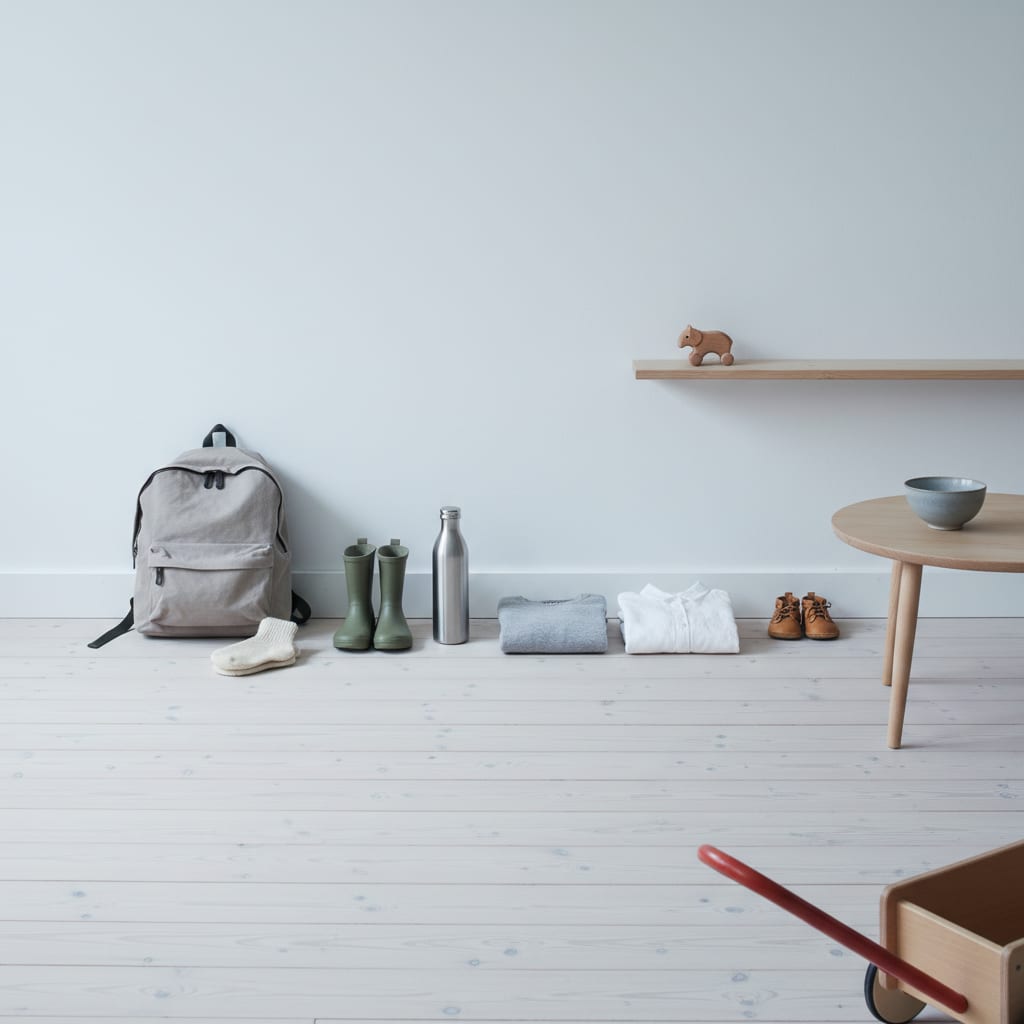
Buy it for life, for a family, means picking the ten-ish categories where kids apply maximum daily force — feet, backs, water, weather, wheels — and buying the one durable answer in each, once. The selection logic is a buyer’s, not a collector’s: a lifetime or big-warranty policy, materials that survive a second child, and a repair-or-replace culture at the company behind it. Below are the ten slots I’d fill first in any young household, with the canonical worked example named where one clearly exists — one pick per slot, per the house method, buy less, buy right.
The list
1. Kids’ socks. The most-replaced garment in the house is the one place a lifetime guarantee exists: Darn Tough socks are merino, made in Vermont, and replaced free if a kid ever wears one through. The canonical pick: Darn Tough kids’ micro crew hiking socks. Costs like four cheap pairs; outlasts forty.
2. The school backpack. One bag, kindergarten through whenever, is a solved problem: the JanSport SuperBreak One, the plain classic with the brand’s simple warranty behind it. Skip the character backpack that dies (socially and structurally) by second grade; a plain color never gets outgrown.
3. The water bottle. Insulated steel, kid-openable, rebuyable-parts: the Hydro Flask 12 oz Kids bottle with straw lid — when the straw lid wears out you replace the lid, not the bottle, which is the whole buy-it-once idea in miniature.
4. The wagon. A decade of service: babies ride, groceries haul, beach gear migrates. Canonical: the Radio Flyer 3-in-1 EZ Fold Wagon — the brand has been making the category since your grandparents, and the fold means it actually lives in the car instead of the garage ceiling.
5. Rain boots. Kids in cheap rain boots have wet feet by October. Bogs-class insulated boots hand down through multiple kids intact — Bogs’ kids’ Classic is the plain pick here; buy the neutral color so kid two can’t refuse them.
6. The winter coat. One warm, repairable shell per kid per size, bought on quality: Patagonia’s kids’ line with its Ironclad Guarantee and repair program is the category’s standing answer. A coat that survives two kids at full price beats two coats that survive one winter each.
7. The first real bike. Lightweight, well-built kids’ bikes (Woom is the name the category converges on) cost real money and hold real resale — the rare kid purchase with an exit price. A heavy bargain bike is the expensive option here: it makes learning harder and resells for nothing.
8. Scissors, for the art drawer. Small but instructive: Fiskars kids’ scissors carry the same practical lifetime thinking as the orange-handled adult pair your mother still owns. The art drawer’s only non-consumable should be permanent.
9. The step stool. Wood or one-piece plastic, in service from toothbrushing at two to counter-cooking at nine — any solid one does it; this is a buy-once category where the canonical answer is simply “not the flimsy one.”
10. The toy shelf itself. Not a toy — the low, open, sturdy shelf the whole twelve-slot toy system lives on. Solid wood, low enough for a toddler, boring enough to become a bookshelf later. Buy it once and it outlasts the toys, the system, and possibly the house.
What didn’t make the list
Anything a kid outgrows inside a year (single-size clothes — capsule counts and hand-me-downs solve those better; see the wardrobe checklist), anything technological (obsolescence beats durability every time), and single-purpose kid furniture that ages out by design. “Buy it for life” applied indiscriminately is just premium maximalism — the label only means something on things whose use is long, which is why this list is ten slots and not forty.
A note on the math, because sticker prices on this list run high: divide by years and users. The good wagon over ten years costs less per year than a cheap one replaced twice. The socks replace themselves by warranty. The coat and boots serve two kids. Buy-it-once is the frugal option wearing a premium price tag — the trade just pays you back slowly, in the currency of never thinking about that category again.
FAQ: buying it once for a family
Is buy-it-for-life realistic with growing kids?
For sized items, “for life” means “for the childhood, across siblings” — a great coat or boot pair serving two or three kids has honored the idea. For unsized gear (wagon, shelf, stool, scissors), it’s literal. The test isn’t immortality; it’s whether the thing exits your family before it exits usefulness.
Should I buy these things new or used?
Unsized durables are outstanding used — wagons, stools, shelves and quality bikes lose price, not function, and the bike you’ll partly recoup at resale anyway. Buy new where warranty is the point (socks), hygiene matters (boots get personal), or daily failure is expensive (the backpack mid-year).
How do I avoid “buy it for life” becoming an excuse to shop?
The slot rule from buy less, buy right: this list is a checklist you complete once, not a hobby. Fill a slot when the category genuinely opens — the old one died, the kid arrived at the age — and never upgrade a working thing because a better one exists. The wagon doesn’t care that a newer wagon shipped.
What’s the single best first purchase from this list?
Whichever category your family currently re-buys most often — that’s where the arithmetic pays fastest. In most young households it’s the socks (constant loss and wear) or the water bottle (the cheap ones fail monthly); both are also small enough to test the philosophy without a wagon-sized commitment.