1 hour.
Family Rest Hour: A Sunday Quiet Time for Everyone
A Sunday family rest hour: one hour after lunch when everyone lies down, parents too. Who sleeps, who reads, how long an adult nap should be, and the rules.
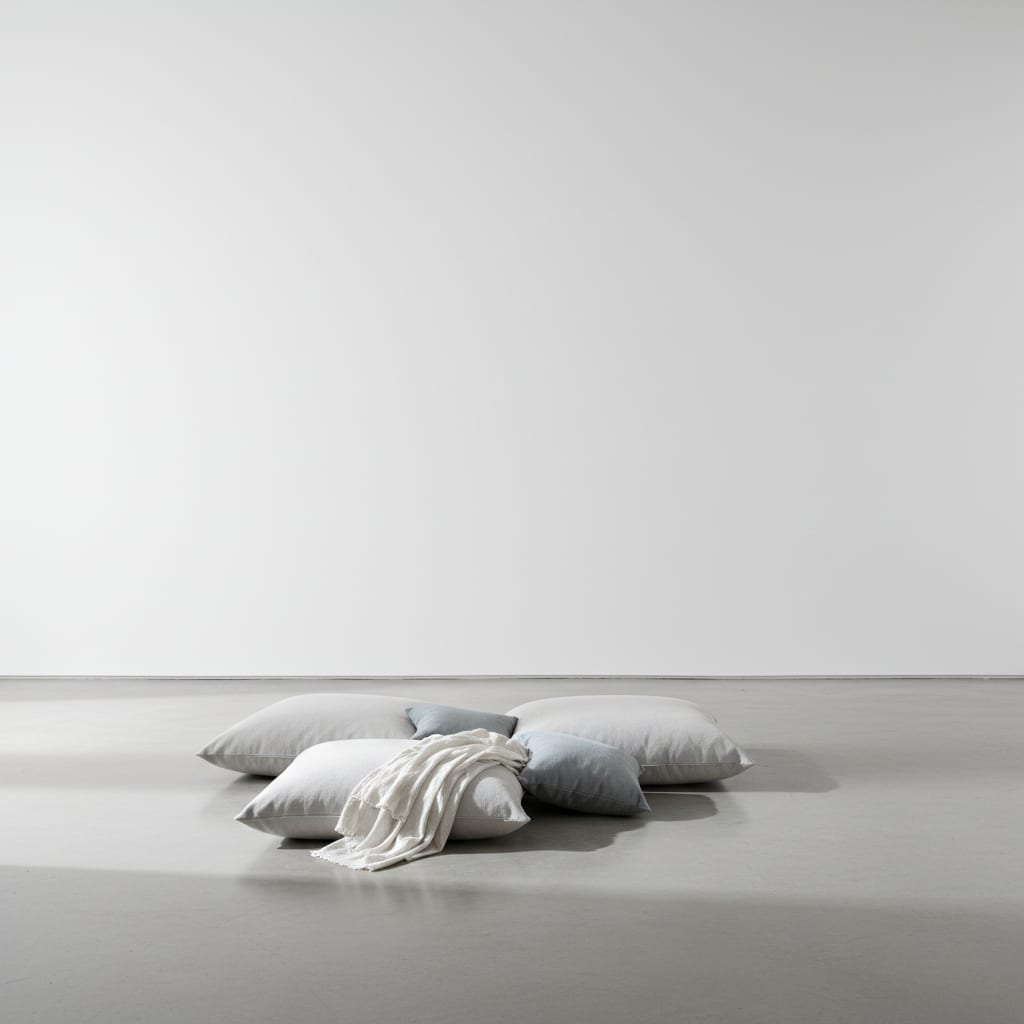
A family rest hour is one hour on Sunday afternoon, straight after lunch, when everyone in the house lies down, parents included. The child who still naps sleeps in their own bed. The child who has outgrown the nap rests in their room with books. The adults lie down too, and either doze for twenty minutes or simply stop. Nothing is planned, nobody is driven anywhere, and nothing needs buying. It’s the shortest, cheapest rule in our house, and on most weeks it’s the one hour of the weekend when the whole family is quiet at once.
Why one hour, and why Sunday
I spent years deciding what earned a place on a shop floor, and the lesson I brought home is that an empty space has to be defended or it fills. A Sunday afternoon fills fast: a playdate, a trip to the store, a load of laundry, the week’s emails. Each one is reasonable. Together they leave nobody rested going into Monday.
So the rest hour is a fixed slot, like a fixture you don’t move. It starts at the same time every Sunday and lasts sixty minutes. Sunday works because it’s the day before the week starts, and because it pairs with the rule this site already runs on Saturdays. If you keep one weekend day empty, as in the unscheduled Saturday, the rest hour is the Sunday version: not a whole empty day, just one empty hour.
Who does what during the hour
Everyone lies down, but not everyone sleeps. That’s the point. The rule is “be still and quiet”, not “fall asleep”.
| Who | Where | What they do |
|---|---|---|
| A child who still naps | Their own bed or crib | Naps at their usual time, with the usual short routine |
| A child who no longer naps | Their own room | Books, or quiet play on the bed or floor |
| A baby under 12 months | Their own crib or bassinet | Naps on their back, on a flat, firm surface |
| Each adult | Their own bed, or the sofa without the baby | A short nap, or lying down with a book |
The napping child. Nothing changes for them. The rest hour simply lines the rest of the house up with the nap they already take. The American Academy of Pediatrics’ healthy sleep habits page asks for “the same waking time (both on weekdays and weekends), mealtimes, nap time and play times,” so put the rest hour where the nap already falls, not where it suits the adults.
The child who no longer naps. This is quiet time. Nemours KidsHealth’s page on naps puts it plainly: “If your child won’t nap, set aside some quiet time. During quiet time, let your child read books or play quietly in their room.” It adds: “Even if kids don’t sleep, they still get some much-needed rest.” Betteroo’s guide to the end of napping describes the same thing as about 45 to 60 minutes of calm solo play at the old nap hour, and treats it as the institution that keeps the midday break alive after the nap ends. A rest hour is that, with the adults joining in.
The baby. A baby rests in their own sleep space, not on a parent who is lying down to doze. The AAP’s safe sleep guide is blunt about why: “The risk of sleep-related infant death is up to 67 times higher when infants sleep with someone on a couch, soft armchair or cushion.” If you feel yourself drifting off with the baby on you, put the baby down in the crib first. That isn’t a fussy detail. It’s the one rule in this post that isn’t optional.
How long the adult part should be
The Sleep Foundation’s napping page says that “the best nap length for adults is about 20 minutes and no longer than 30 minutes,” because 20 minutes “allows the napper to get a bit of light sleep to boost alertness without entering into deep sleep.” It also says when: “For most people, that means napping before 3 p.m.,” because napping too late in the day “may contribute to nighttime sleep problems.” And it suggests setting an alarm before you doze off. A rest hour that starts right after a midday lunch fits inside that window with room to spare.
So the adult hour is simple: lie down, set an alarm for about 20 minutes, and spend the rest of the hour lying still with a book. You don’t have to sleep. Use a timer rather than your phone, or the hour turns into scrolling. A plain wind-up kitchen timer, like the Taylor 60-minute mechanical timer, rings once and does nothing else. If you already own a kitchen timer, use that one.
One exception. If you have trouble sleeping at night, skip the nap and keep only the lying-down part. The NHS page on insomnia lists “do not nap during the day” among its tips, along with waking up “at the same time every day.” Rest with a book instead, and keep your Monday alarm where it is.
The house rules for a rest hour
These are our rules, not research, for a family with young children.
- Same start time every Sunday. Straight after lunch, at the nap time the youngest child already keeps.
- Sixty minutes, then it ends. Someone sets the timer. When it rings, the hour is over, whether or not anyone slept.
- Everyone in their own space. Children in their rooms, adults in theirs. Nobody lies down in the middle of the living room, where it turns into play.
- No screens, for anyone. Not the tablet, not the television on low, not a quick check of the phone. Books, quiet toys, or nothing.
- Nothing booked across it. No playdate at two, no store run. Plans go before lunch or after the hour.
- It isn’t a punishment. A child who leaves their room isn’t in trouble. They’re walked back, without a lecture, and the hour carries on.
When it doesn’t work
Some Sundays the hour falls apart: the napping child won’t settle, or the older one keeps coming out. That isn’t a reason to drop the rule.
A child who won’t sleep still gets something from lying down. Betteroo’s guide to the toddler who skips the nap says to protect quiet time anyway, even when sleep does not come, and to move bedtime earlier that evening. KidsHealth says much the same, and notes that parents “are often surprised by how quickly quiet time can lead to sleep time.”
If the problem is the evening rather than the afternoon, the rest hour isn’t the fix. A short, repeatable routine is. This site’s four-step bedtime is the version we use, and it works the same on Sunday night as on any other night.
A rest hour makes room for the nap. The nap itself still has to fit the child. Betteroo builds a sleep plan around your own child's age, naps and wake-up time, so you know when the rest hour should start and whether the nap is really ending. Take the free sleep quiz →FAQ: a Sunday family rest hour
What is a family rest hour? It’s a fixed hour, usually after lunch, when everyone in the house lies down and is quiet. Children who nap sleep. Children who don’t, read or play quietly in their rooms. Adults rest or take a short nap.
How long should a parent nap during the day? The Sleep Foundation suggests about 20 minutes and no longer than 30 for most adults, ideally before 3 p.m., with an alarm set before you lie down.
What if my child has stopped napping? They still join in, as quiet time in their room. KidsHealth suggests books and quiet play, and notes that children still get some rest even when they don’t sleep.
Can I nap with my baby during the rest hour? Not on a sofa, armchair or cushion, and not with the baby on you. Put the baby down in their own crib or bassinet on their back before you lie down yourself.
More in Minimalist Family