1 basket.
Lidded, and shut before pajamas.
Toys in the Bedroom: Does a Toy-Free Room Help Sleep?
Do toys in the bedroom keep a child awake? What the pediatric advice says, what nobody has tested, and a one-basket rule to try for two weeks before moving it.
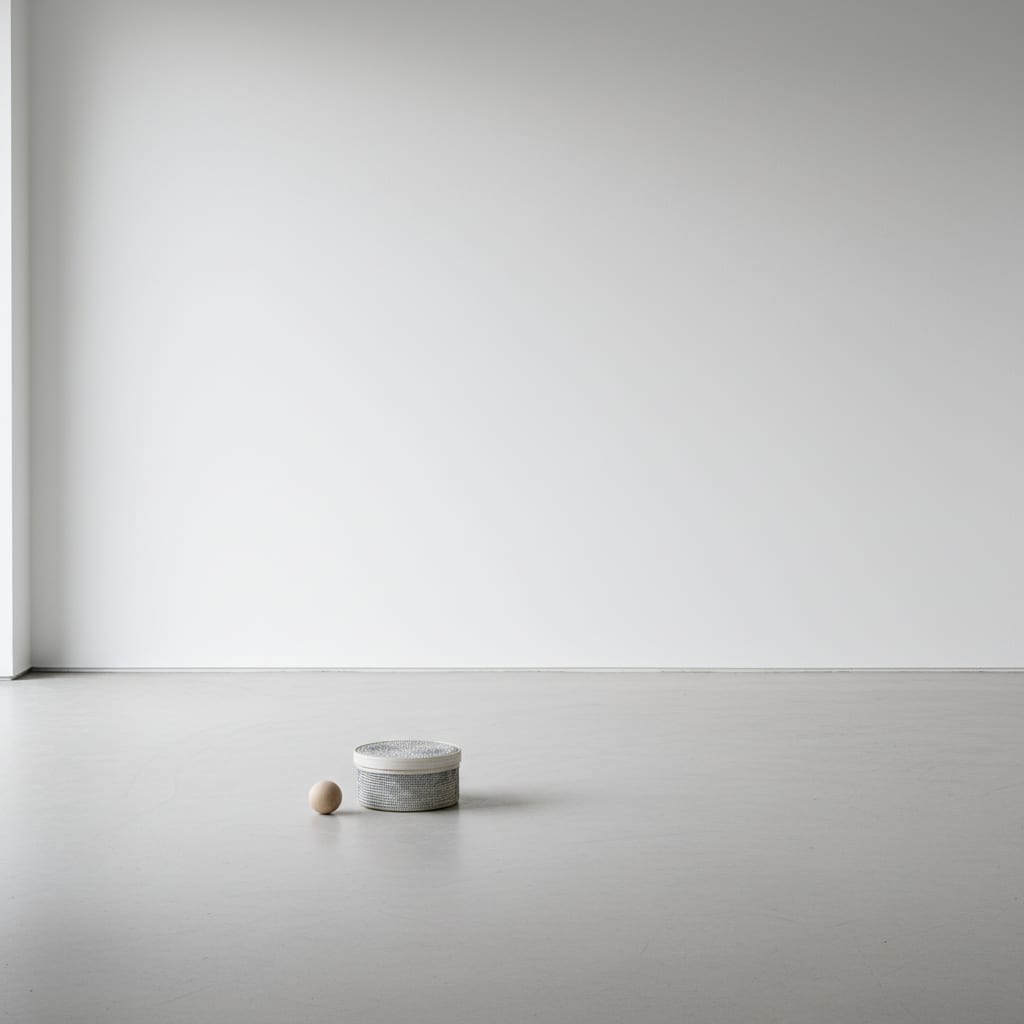
A toy-free bedroom can help a child fall asleep, but mostly when the toys are what the child does instead of sleeping. I couldn’t find a study that compares toy-free rooms with ordinary ones, so nobody can promise it. The pediatric advice that does exist is narrower: keep toys out of the bed, and keep the bed linked with sleep. You don’t have to empty the room to do that. In our house the bedroom holds one lidded basket, the lid goes on before pajamas, and the bed holds comfort animals only. Try that for two weeks before you carry anything down the hall.
What the pediatric advice says about toys and sleep
It says less than the internet suggests, and it is mostly about the bed.
The American Academy of Pediatrics’ healthy sleep habits page has one line on toys, under creating “a sleep-supportive and safe bedroom”: “Do not keep toys in children’s bed.” The same page asks for screens to stay out of children’s bedrooms. It doesn’t ask for toys to stay out of the room.
Seattle Children’s sleep hygiene guidance explains the thinking. “Avoid spending lots of non-sleep time in bed,” it says, because hours of other activities there keep “your child’s brain from associating their bed with sleep time.” It names phones and video games as the examples, and it adds that “quiet activities like reading, drawing or knitting are OK.”
So the advice I could actually load makes two points. The bed is for sleeping, and screens leave the room. A bedroom with no toys in it goes further than either source asks.
What nobody has measured
I looked for research on toy-free bedrooms and children’s sleep and found none I could open and read. That doesn’t mean the idea is wrong. It means anyone who tells you it’s proven is guessing.
The nearest thing is a play study. Researchers at the University of Toledo gave toddlers either four toys or sixteen and found they played longer and more inventively with four. I’ve written about it in fewer toys, better play. It was a daytime play study. It didn’t measure sleep, and I won’t stretch it to cover bedtime.
What’s left is ordinary reasoning, and I’d label it that way. A child lying awake in a dim room looks at whatever is in view. If that is a garage with a ramp, some children will get up and use it. Betteroo’s guide for toddlers who leave their beds lists a bedroom that “invites sleep rather than play” among its basics: “dark, cool, boring.” The last word is the one that matters here.
Which children it tends to help
I used to plan shelves for a big-box chain, and the first rule of an endcap is that people pick up what’s at eye level. A bedroom at seven in the evening works the same way. Whatever a child can see from the pillow is the endcap.
A toy-light room is most likely to help when:
- The child gets out of bed to play. You hear cars on the floorboards at 8:15. Here the toys are the obstacle, and moving them is a fair test.
- The room is the only play space. Everything the child owns is in view, so the room never changes from play to sleep.
- Bedtime starts with a tidy-up fight. If the floor has to be cleared before anyone can reach the bed, the evening starts late and cross.
It’s less likely to help when the child stays in bed and simply lies awake. That points at timing instead. A bedtime set too early leaves a child with nothing to do but wait, and no amount of clearing fixes it. It also won’t do much for a child who is calling for you. That child wants company, and the toys aren’t the reason.
The one-basket rule
This is a house rule. It isn’t research, and it’s the smallest change that tests the idea.
- One basket in the bedroom, with a lid. It holds what’s allowed in there: a few picture books and a handful of quiet things. Everything else lives wherever the family plays.
- The lid goes on before pajamas. Putting toys away is already part of many bedtime routines. The lid makes it visible that play is finished.
- Nothing with batteries, lights or sound stays overnight. A toy that can switch itself on at 2 a.m. will, eventually.
- The bed holds comfort animals only. No cars, no blocks, no books under the pillow.
- Run it for two weeks, then decide. Note roughly how long it takes your child to fall asleep in the week before and in the second week of the test. If nothing moved, the toys weren’t the problem, and they can come back.
If the room has no other home for toys, the cheaper version is to turn them out of sight: a curtain over the shelf, or bins with the open side to the wall. Betteroo’s room guide suggests putting the bed in the quietest corner, away from the play area, and has a line for the rest I’d happily have written: keep “a small play zone, not a toy store”. How the toys are stored once they leave is retromodernmom’s subject, and their guide to organizing toys covers it. What the rest of the room needs is on our bedroom furniture list, and it’s five things.
The exception: the one in the bed
A toy-free room doesn’t mean a toy-free child. Seattle Children’s says that “security objects, like a doll, toy or blanket, at bedtime can help your child feel safe and secure when you leave the room.” That is the opposite of a distraction. It’s the one toy doing a sleep job.
The AAP’s line about toys in the bed and that sentence look like they disagree. I read them as describing two different objects. A comfort animal is held. A toy is played with. Our own count for children over one is two animals in the bed, covered in how many stuffed animals a child needs, and if your child has one particular rabbit that can’t be swapped, that rabbit has its own post.
For a baby under twelve months the bed count is zero, with no exceptions. Safe-sleep guidance keeps soft toys, pillows and loose blankets out of the sleep space for the whole first year.
A quieter room removes one reason to stay up. The bedtime still has to fit the child. Betteroo builds a sleep plan around your own child's age, naps and wake-up time, which is the part a basket with a lid can't fix. Take the free sleep quiz →FAQ: toys in the bedroom
Should toys be kept out of a child’s bedroom? They don’t have to be. The AAP’s advice is to keep toys out of the bed and screens out of the room. A small, closed store of quiet toys in the bedroom fits both.
Do toys in the bedroom keep a toddler awake? For some toddlers, yes, mainly those who get out of bed to play. I found no study measuring it, so test it at home: put a lid on the toys for two weeks and compare how long falling asleep takes.
Can my child sleep with a stuffed animal? After the first birthday, a comfort animal can help a child settle. Seattle Children’s lists security objects as a help at bedtime. Under twelve months, nothing soft goes in the sleep space.
What if the bedroom is the only place for toys? Keep them, and hide them at night. A curtain over the shelf or bins turned to the wall takes the toys out of view from the pillow.
How many toys should stay in the bedroom? Our house rule is one lidded basket: a few books and a handful of quiet things. It’s a rule we chose, not a researched number.
More in Toy Minimalism